Rodents: The Disease & Damage They Cause

Rats chew through wires in Des Moines IA homes. THe mice exterminators at Springer Professional Home Services can prevent them!

Rodent infestations are feared for the damage they inflict and dangers they bring. These pests are much worse than simply a nuisance. Rats and mice have been tied back to a number of dangerous diseases, making it important to seek help from a rodent exterminator if you notice the signs of them in your home. These diseases are most commonly spread through their droppings, but can also be transmitted indirectly through fleas and mice. Read on to learn expert info on the dangers of rodents from the mice exterminators at Springer Professional Home Services.

Common Diseases Spread by Rats & Mice

The thing people fear most about rodents are the diseases they carry. These can be transmitted directly through human contact with droppings or bites, or indirectly through infested fleas and ticks. Although these diseases may be rare in Iowa, it’s still important to be aware of them: 

  1. Hantavirus. Most often found in the urine and feces of deer mice, hantavirus can cause symptoms from fever and chills to aches in pains.
  2. Salmonella. Rats and mice are infamous for contaminating food. The most common bacteria they spread is of course salmonella, known as food poisoning.
  3. Lyme Disease. This disease is transmitted by ticks, which are often carried by rats and mice. This disease is dangerous and can have long-term effects on health.
  4. Plague. Historically, the bubonic plague was caused by infected fleas that were carried by rats and mice. Even though this was centuries ago, the same disease can still be spread today.

Property Damage Caused by Rodents

Rats and mice are one of the worst pest infestations because of the mess they can create inside your home or business. Nests can be made out of any material rats and mice get their paws on, meaning they’ll shred through a number of things in your property at will. Perhaps the most dangerous thing about rats is their tendency to chew. With incisors that never stop growing, rats never stop chewing! This can lead to damaged electrical wires, which can in turn cause a fire hazard. Bottom line: rodents create a hazardous environment inside your home, which is why it’s important to team up with a professional rodent exterminator

Effective Rodent Extermination in Des Moines

If you have a rodent infestation inside your home or business, you’re almost certainly going to need the help of a mice exterminator to get rid of them. The rodent control team at Springer Professional Home Services have the years of experience needed to implement the best rat and mice removal tactics. Our goal is to keep you, your family, and your property safe from the dangers of rodents all year long.

German Cockroaches: 10 Things You Need to Know

German cockroaches are one of the most dreaded roach problems in Des Moines IA - Springer Professional Home Services

If you’ve dealt with a cockroach infestation in your Iowa home or business, there’s a high probability it was a German roach infestation. Not only do these German roaches breed at a rapid rate, they carry potentially dangerous pathogens and contaminate any surface they walk across. This species is the most common roach problem for homes, multi-family units, restaurants, food processing facilities, and more.

In this blog post, the experts at Springer Professional Home Services share the top 10 things to know about German cockroaches.

What to Know About German Cockroaches

Because German cockroaches so frequently infest homes and businesses throughout the year, it’s important to know their habits and behaviors in order to identify their presence. Some key German cockroach facts to remember include:

  1. German cockroaches can be identified by their pronotum (protective plate behind the head), which has two longitudinal dark stripes.
  2. These roaches are most commonly found in residential and commercial kitchens or bathrooms. German cockroaches typically prefer areas of high temperatures and high
  3. humidity.
  4. They live indoors primarily. They rarely can live outdoors in warm weather.
  5. German cockroaches have an extremely quick rate of reproduction. They can quickly spread throughout a building.
  6. The ootheca (egg case) of the German cockroach holds between 35–40 eggs, which take one month to hatch.
  7. German cockroaches can carry or transmit diseases and pathogens that may be dangerous to humans.
  8. German cockroach infestations have been tied back to causing severe asthmatic reactions in some people.
  9. These cockroaches can climb on smooth surfaces due to a sticky pad called an arolium on their feet.
  10. German cockroaches prefer to stay hidden in dark areas. They hide inside walls, behind cabinets, inside appliances, and other rarely accessed areas.

Preventing German Roaches in Your Des Moines Property

German cockroach infestations can be difficult to control. It’s important to learn how to prevent them in the first place. Roaches are attracted to filth and clutter. To keep them out, make sure to keep all food in sealed containers and secure your garbage cans securely. Most importantly, check on areas in your property that are dark or rarely disturbed for evidence of cockroach activity. By effectively maintaining a tidy property, you can lessen the risk of contributing to a German roach infestation.

How to Get Rid of German Cockroaches For Good

It’s time to call the exterminators at Springer Professional Home Services when you find a single cockroach in your home. We understand how distressing a roach problem can be, which is why we employ the most effective, fast-acting German cockroach removal methods to get rid of the infestation. You can trust we’ll keep your home free of German cockroaches all year long.

5 Important Pests in 2020

Mosquitoes are one of the pests to look out for in your Des Moines IA home this upcoming year - Springer Professional Home Services

Hindsight may be 20/20, but when it comes to pests, Springer Home Professional Services is looking ahead to help homeowners proactively defend their homes against pest infestation.

At Springer Home Professional Services, we have utilized our field experiences, company data and examined trends, to determine the following six pest issues. Along with these predictions, we are offering homeowners preventative tips to help you keep your home pest-free in 2020.


Mice

Mouse populations have exploded over the past several years. Blame warming winters for allowing more mice to survive and breed. As warmer temperatures are already being experienced this winter, mice will continue to surge. That’s bad news for homeowners because mice invade homes year-round looking for food and safe places to nest.

Homeowner Tips: Rodent-proof your home by sealing small cracks and crevices with a silicone-based caulk. Exterior gaps of ¼-inch or larger can be filled with copper mesh, hardware cloth or metal flashing. Since mice can squeeze through small openings, gaps under door frames, garage doors, windows, or pipes and cables that access your home are prime entry spots for mice.


Stinging Pests

Shifting climates can have a ripple effect throughout the pest world, and with warmer weather, experts are seeing more yellow jackets and hornet nests. Even in freezing temperatures, female yellow jackets and hornets can successfully overwinter in homes and structures. As soon as temperatures are warm enough in the spring, stinging insects will emerge from their hiding places, ready to start populations earlier in the year.

Homeowner Tips: As yellow jackets and hornets overwinter near homes and structures, they may be out and about at the first sign of warm weather. Keep your eyes open for stinging pests, utilizing a professional pest control service as soon as you spot activity.


Ticks

With the popularity of outdoor activities like hiking and camping on the rise, warming winters, and the geographic range of many ticks continue to expand, humans and their pets can expect to come into contact with ticks more frequently. Ticks of special concern include the American dog tick, the deer tick or black-legged tick, and the Lone Star tick. In 2018, there were nearly 50,000 cases of human tick-borne diseases such as Lyme Disease and Rocky Mountain Spotted Fever reported. Pets can also contract some of these diseases.

Homeowner Tips: When spending time outdoors, wear long-sleeve shirts, pants and socks and an EPA-approved insect repellent. To avoid ticks, walk in the center of trails and avoid walking through tall bushes or other vegetation. During and after outdoor activity, check for ticks on yourself and any family members, including your pets.


Mosquitoes

If the mosquito season seemed awful this year, it wasn’t your imagination. Experts believe that the pattern could repeat in 2020. If we have a warm, wet winter and spring, the conditions will be ideal for mosquito populations to explode in some areas in late spring and early summer. Areas of the Mid-Atlantic and Midwest are predicted to have above-average rainfall, while most of the U.S. is predicted to be warmer than average this winter.

Homeowner Tips: The risk of mosquito-borne diseases, such as the Eastern Equine Encephalitis (EEE) can increase with rising populations. To prevent mosquitoes from breeding on your property, dispose of standing water and always wear an EPA-approved insect repellent when spending time outside.


Termites

Termites are the most destructive pests in North America, causing $6 billion in property damage each year. According to experts, the two main weather factors that affect termite populations are temperature and rainfall. With warmer and wetter weather predicted for spring, the termite swarming season will be ramping up soon.

Homeowner Tips: To deter termites, eliminate earth to wood contact and avoid moisture accumulation near your home or structures’ foundation. Because termites can cause such extensive damage, raising homeowner awareness around the need for proactive protection for their homes is critical to prevent costly repairs.


The experts at Springer Home Professional Services agree that a proactive approach is the first step any homeowner can take to prevent pest issues. With these 2020 pest predictions in mind, take time to evaluate your current pest control plan and ensure that you have the protection you need to protect yourself and your family from pests in 2020.

Setting the Best Mousetrap in 5 Steps

Mousetrap in Des Moines IA home - Springer Professional Home Services provides tips on properly setting a mousetrap

If you see a mouse in your property, it’s important to act quickly! Rodent problems can spread quickly, especially with how quickly mice reproduce. Mice can be a pain to deal with—they’re messy, can chew through wires, and leave foul smelling odors wherever they go! One of the most common ways to control an infestation is with a mousetrap. In order for them to work properly, it’s important to educate yourself on how to set the best mousetrap. Read on to learn top tips from the experts at Springer Professional Home Services!

Which Mousetrap Should You Use?

Electronic, glue, and catch-and-release mousetraps are some of the most common types. All of these have varying degrees of success as well as a number of advantages and disadvantages. The most common—and likely the most popular—trap is the spring-loaded mousetrap. These have been used for decades to get rid of mice, and it’s smart to know how to properly set one! There are several tips to keep in mind when setting a mousetrap in order for them to work in your favor!

Top Tips for Setting a Successful Mousetrap

Many people make the mistake of setting a mousetrap improperly. The following list provides tips on setting the best mousetrap:

  1. Wear gloves. Mice can smell humans and will avoid traps if they catch onto your scent!
  2. Use the best bait and the correct amount. Not all mice like cheese. Only use a small amount of bait to encourage the mice to reach into the stand and trigger the mechanism.
  3. Start with an unloaded but baited trap. It may seem counterintuitive, but start with unloaded traps (baited but not activated)! This will lure mice into a false sense of security.
  4. Use more than one trap. Always set multiple traps two to three feet apart each. You will have a better chance at catching as many mice as possible at once.
  5. Set out mousetraps strategically. Always set mousetraps along walls and behind furniture, or wherever you suspect activity.
  6. Check the mousetraps regularly. Success won’t happen overnight, but don’t give up! Always check to make sure the traps are loaded correctly with bait, as some mice will grab bait without setting off the trap.

Need Help Setting the Best Mousetrap?

Mousetraps are certainly a popular and accessible way to get rid of rodents, but they don’t always work. Especially when you’re dealing with a serious infestation, it’s sometimes best to enlist the help of a professional rodent control company. At Springer Professional Home Services, our experts know how to get rid of mice quickly and safely. For more info on setting the best mousetrap or to learn about our extermination, give us a call!

Preventing Rats & Mice in the Winter

Winter window in central Iowa - Springer Professional Home Services provides rodent control checklist to prevent infestations.

Iowa is known for having extremely cold winters. Some may assume that during these freezing winters, pest problems aren’t likely. Unfortunately, that’s not the case! In fact, rodent infestations are quite common this time of year. According to The National Pest Management Association (NPMA), upwards of 21 million homes in the U.S. are invaded by rodents each winter! Rats and mice come indoors to escape dropping temperatures outdoors. To prevent an infestation this time of year, it’s essential to know how to safeguard your home by preventing rats and mice.

Are Rodents Hibernating in the Winter?

Many animals, including certain types of larger rodents, hibernate for the winter. Rats and mice, however, do not hibernate. They are active throughout the entire year. To survive the cold winters, they will infest homes in search of warmth and shelter. Worst of all, mice are infamous for squeezing their way inside through holes as small as the size of a dime!

Once inside, they can be extremely destructive and even dangerous! Rats and mice are capable of spreading bacteria and pathogens, which is why it’s so important to prevent them in the first place.

Rodent control checlist for your Des Moines or Cedar Rapids IA home this winter - Springer Professional Home Services

Preventing Rats & Mice Checklist

To prevent a rodent infestation, it’s recommended to regularly check your home. By locating and fixing areas that have damage, you can lessen the chance of a rat or mice invasion. The eight locations to check include:

  1. Roof
  2. Vents
  3. Screens
  4. Vegetation
  5. Gutters
  6. Outside
  7. Garage
  8. Foundation

Winter Rodent Control

By regularly inspecting your property for vulnerabilities, you can help protect yourself from an infestation! If you need assistance checking your home for rodents, the exterminators at Springer Professional Home Services are here to help. We understand how frustrating rodent problems are, which is why we work to prevent them from occurring in the first place. To learn more about how we can keep you rodent-free, call us today!

Keep Your Home Pest-Free This Winter

A rodent is one of the many common winter pests that invade central Iowa homes each year - Springer Professional Home Services

Many people think that pest infestations only happen in the spring and summer, but unfortunately, that’s not the case. Just like us, pests and insects seek out shelter and warmth in the colder months, which is why winter infestations are more common than you may think. Rodents, cockroaches, and even bed bugs are just a few of the many pests known to stick around in the winter months. To avoid the frustration of a pest infestation during the holiday season, keep reading for Springer’s top tips for preventing winter pests!

Winter Pest Problems in Iowa

If you live in Iowa, you know that pest infestations are a fact of life year-round. During the winter, many bugs and insects may seemingly disappear to not return again until the springtime. However, some pests will invade homes this time of year in search of food and shelter. The most common winter pest problems are from:

  • Rodents (rats & mice): The house mouse and Norway rat will easily squeeze their way indoors to escape the cold.
  • Bed bugs: Known to withstand extreme temperatures, bed bug infestations are common in the winter months.
  • Spiders: House spiders as well as black widows are often found indoors in dark, secluded corners.
  • German cockroaches: These common roaches hitchhike inside and can spread quickly throughout your home.

Pest-Proofing Your Home in the Winter

In order to prevent winter pests, it’s important to learn how to protect your home. Exclusion is one of the most reliable forms of pest control, as it denies pests access into your home in the first place! By sealing cracks and crevices around your property, you’re able to stop pests and insects from getting indoors. Further preventative measures include placing screens over vents and chimneys, storing firewood away from the home, fixing any moisture problems, and generally keeping a clean and tidy environment to discourage pests.

Winter Pest Control Services

Winter pest problems are a serious threat to homeowners. The best way to go about preventing winter pests is to safeguard your home against them! If you’ve done all you can to keep insects and other pests out of your home in the winter but are still experiencing issues, it’s time to call the experts at Springer Professional Home Services!

How to Get a Pest-Free Christmas Tree

Shake out your Christmas tree before bringing it into your Des Moines IA home - Springer Professional Home Services

Did you know that 30 million households bring a real Christmas tree into their home every year? Nothing evokes the spirit of the holidays like a freshly cut Christmas tree that serves as a beautiful decoration in your home each year. However, these trees are also said to harbor as many as 25,000 insects inside of them! To avoid getting a pest infestation, keep reading for Springer’s top tips on how to pest-proof your Christmas tree.

3 Tips to Prevent Christmas Tree Insects

With so many Christmas trees to choose from, it can be overwhelming to pick the right one! Before bringing a Christmas tree into your home, there are a number of things you should do to prevent Christmas tree pests:

  1. Thoroughly inspect your tree. Before picking a winner, inspect the Christmas tree for irregularities, spots, damaged branches or trunk, or signs of pests.
  2. Shake out the tree. Either by yourself or with the expertise of a Christmas tree lot attendant, vigorously shake out the tree to expel insects or pests.
  3. Leave the tree in your garage initially. To encourage lingering bugs out, store your Christmas tree in your garage or a covered area for a day or two before carrying it indoors.

Are Christmas Tree Bugs Dangerous?

Christmas tree bugs are typically minuscule and harmless. In reality, most of these Christmas tree insects will not be able to survive an indoor environment and will die within days of being brought in. The most common Christmas tree bugs you may come across include:

  • Aphids
  • Bark beetles
  • Spiders
  • Weevils
  • Webworms
  • Praying Mantises
  • Mites
  • Sawflies

How to Get Rid of Christmas Tree Pests

If you brought home a Christmas tree only to discover it’s riddled with insects, there’s no reason to panic. As mentioned before, Christmas tree insects are mostly harmless. Nonetheless, it’s recommended to call an expert pest control company such as Springer Professional Home Services for more information on getting rid of Christmas tree bugs. Contact us today for more tips on having a pest-free Christmas!

How Do the Changing Seasons Impact Pests?

Changing seasons impact the ways pests behave, live, and interact with their environments. Be prepared in any season by learning about pests and their lifecycles. Here’s how the changing seasons impact pests.

Pests in the Winter

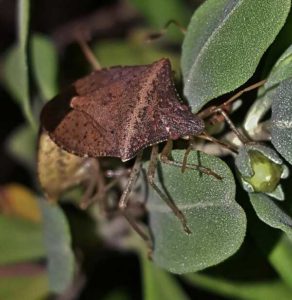
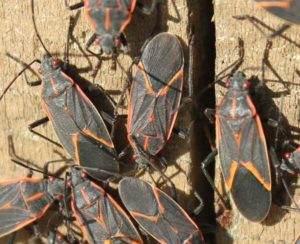
With cold temperatures and snowy conditions, winter is on everyone’s mind—including pests. Overwintering pests are those that attempt to survive the extreme conditions by making their way into warm places like your home. Common invaders include ladybugs, box elder beetles, and stink bugs.

It’s likely you’ve been noticing a few of these little critters beginning to emerge, particularly on days with warmer temperatures. You can combat the pests that may be overwintering in your home by repairing cracks in the exterior, keeping food properly sealed and stored, and cleaning your house on a regular basis. If you do find pests in your home, you can suck them up with a vacuum cleaner and dispose of them in your outdoor trash can.

Pests in the Spring

In the spring, overwintering pests emerge and begin mating. Pests both inside and outside your home will awaken from their hibernation, so you’ll likely notice a variety of critters. If winter is the dormant season for pests, then spring is quite the opposite. As the weather improves and you can be outside more often, make sure to prepare your home for the pest-filled seasons ahead. Clean out your gutters to prevent pests from making their homes within the trays, repair window and door screens, and have a pest control professional treat your home before a problem develops.

Pests in the Summer

The warm, humid days of summer are usually accompanied by loads of pests that can put a damper on your plans. Ticks, bees, and mosquitoes are active during these months and can be found wherever the fun is happening in the great outdoors. Protect yourself and your family by taking appropriate caution whenever you’re in a “hot spot.” To keep your yard free of these pests, contact your local pest control professional.

Pests in the Fall

As the weather begins to cool, the activity of pests dwindles. Some pests enter into the last stage of their lifecycle, while others seek shelter for the cold months ahead. Rodents begin to build their nests, and if you’re not careful, you may end up with a few extra houseguests. To prevent this, follow our guide in Winter Pests 102: Preventing and Removing Winter Invaders.

Pests are active year-round, which means you should be, too! Combat unwanted pests with the help of the experts at Springer. Our pest control professionals can identify, locate, and treat the pests that are attacking your home. Set up your free inspection to get started.

What Should I Do When Overwintering Pests Start to Emerge?

cozy cabin, a perfect home for overwintering pests

You might have thought that winter would leave you free of unwanted pests, but that just isn’t the case. By now, you’ve likely stumbled across a few overwintering pests, and chances are you’re seeing more each day. Overwintering pests can be a real issue for homeowners, but they don’t have to disrupt your life. Here’s what to know about pests that overwinter in the home.

Which pests overwinter in my home?

There are a number of common pests that overwinter, but the following are among those most commonly found in homes as they ride out the cold winter conditions.

Stink Bugs

A common appearance among overwintering pests, the stink bug feeds on summer crops before making its way inside when the temperatures drop. This invasive species lives in most of the United States and has become a smelly nuisance in homes throughout the country. While most of their lifecycle is spent outdoors, the high number of stink bugs coming inside for the winter can become a hassle for homeowners.

Asian Lady Beetles

Sometimes referred to as the Japanese beetle or Japanese ladybug, the Asian lady beetle is a pest indigenous to Asia. Since their systematic release into the United States in the 60s, these pests have migrated to nearly every state in the Continental U.S. You likely won’t even notice them until the temperatures start to drop. During the fall, you can find them on your sun-facing walls and windows, but by the time winter hits, they’ve probably found a way into your home.

Boxelder Bugs

The boxelder bug is another pest that seeks shelter in homes as temperatures drop in the fall. It’s not uncommon to see a whole gathering of boxelder bugs around a home, vetting it as a potential winter hideaway. While they aren’t poisonous, boxelder bugs will release a foul odor if they feel threatened.

How do pests overwinter?

Throughout the fall, overwintering pests will seek out warm spots of refuge that could serve as their potential home throughout the winter. Because of their small size, they’ll easily take advantage of small cracks, holes, or gaps in your siding, foundation, and window screens. If there’s a way in from the cold, they’ll find it! Once in your home, the pests will do everything in their power to stay hidden, safe, and warm throughout the winter. Pests often begin to emerge as their food, water, or shelter begins to dwindle.

What should I do when overwintering pests emerge?

Fortunately, none of these overwintering pests are detrimental to your home or the health of your household. That being said, there are ways to reduce or eliminate their presence:

  • Caulk and seal any holes or cracks in the exterior of your home.
  • Discard clutter and unnecessary cardboard and paper.
  • Seal and store all food and drink items properly.
  • Remove pests by sucking them into your vacuum, and then disposing of the contents outside.
  • Contact a pest control professional to have a preventive treatment done on your home.

If you’re battling pests in the Des Moines area this winter, contact Springer. Our team of pest control professionals can help you effectively eliminate overwintering pests from your home. For all of your pest control needs, trust Springer! Set up your free inspection to get started.

Why Should I Consider Preventive Pest Control Solutions?

If your home has been relatively pest-free, it can be a stretch to consider implementing preventive pest control solutions. However, regardless of your home’s pest history, preventive care can be an effective and practical way to keep your property healthy and pest-free. Check out these five reasons to consider preventive pest control—even if you haven’t experienced a pest problem yet.

Preventive pest control protects your property.

Preventive care is a safeguard against the destruction that unwanted houseguests can wreak. Preventive pest control is like putting locks on your doors and windows: you may never know if your actions are preventing someone—or something—from getting in, but you do know it will make accessing your home more difficult for unwanted visitors.

Pests are always active.

Even throughout the winter, when one might expect pests to lay dormant, they’re still actively attempting to enter your home. Even if you’re not aware of their activity, you should always assume that there are pests close to your home that would love to find their way in.

Preventive pest control reduces the risk of infestation.

Pests can multiply rapidly—even before you even notice their presence. Without regular inspection and care, your home can quickly become the site of an infestation. Once a colony has formed, ridding your home of pests can be quite difficult. It’s far easier to eliminate small populations of pests and prevent future problems than it is to identify and rid your home of all the sources of a major infestation.

Problems may be hidden.

With many destructive pests like termites or mice, damage can go on without your knowledge for quite some time. These tiny yet harmful critters can cause major property damage before you even realize they are present. When you implement a preventive care program, your pest control professional will closely inspect your home for signs of damage and identify problems that otherwise may have been missed.

Preventive pest control saves you money.

Just as it’s far more expensive to replace your car’s engine than it is to get an oil change, preventive pest control services require a small investment compared to the expenses you could incur from pest-related property damage, at-home treatments, and ineffective removal. The cost associated with preventive care is nearly insignificant compared to the value it provides in protecting your home, your family’s health, and your peace of mind.

If you’re ready to take advantage of preventive pest control solutions, contact Springer in Des Moines. Our team of pest control professionals can provide all of the residential pest control services you need to resolve any pest problem you’re currently experiencing and prevent future infestations. Set up your free inspection today!